Complimentary consultation — private studio, by appointment · Every Fitzpatrick skin type

II · Paramedical 101

Paramedical tattooing, explained

The artistry behind restored skin — what it is, what it isn't, and why it matters.

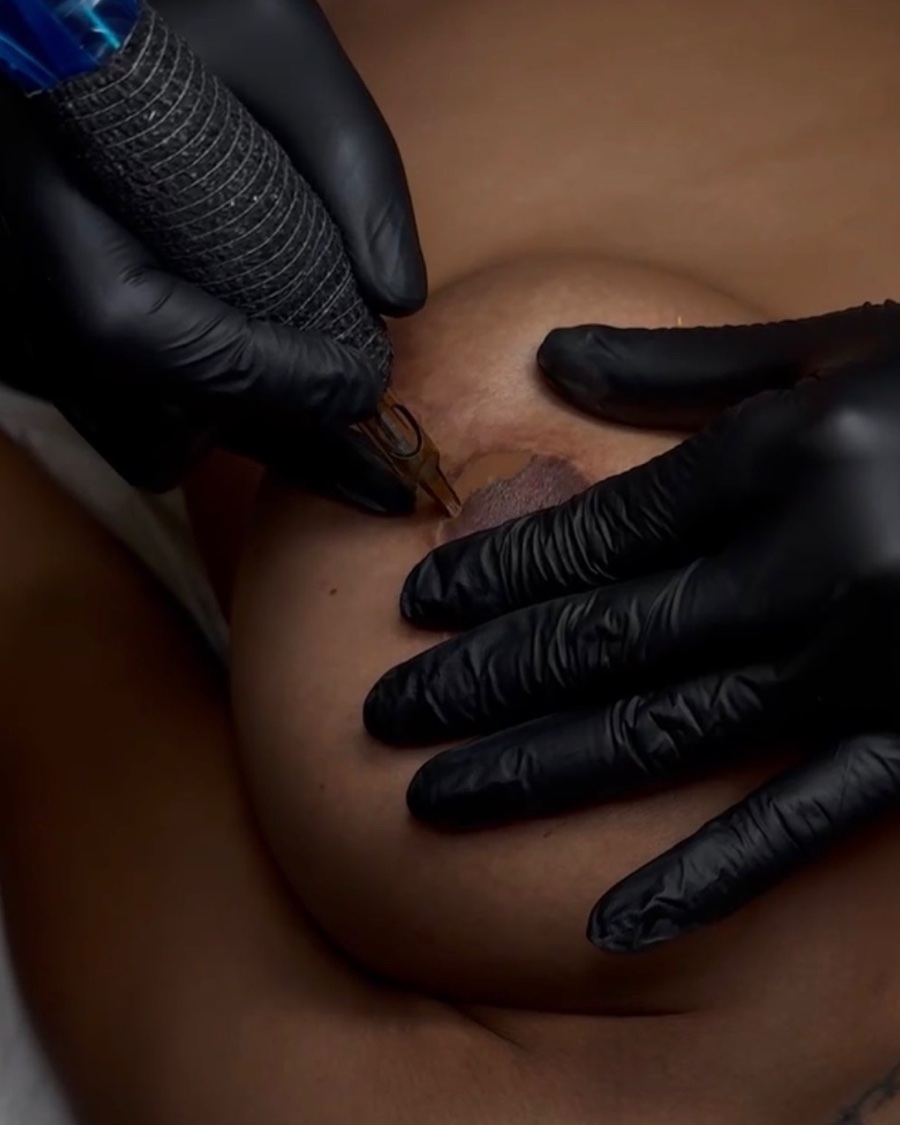
Cynthia restoring areola pigment with a paramedical tattoo machine, a gloved hand steadying the skin

The Basics

par·a·med·i·cal tat·too·ing

noun · restorative artistry

Specialized, medical-grade tattooing that restores the natural appearance of skin after surgery, injury, or life's changes — using pigment custom-matched to you, or none at all.

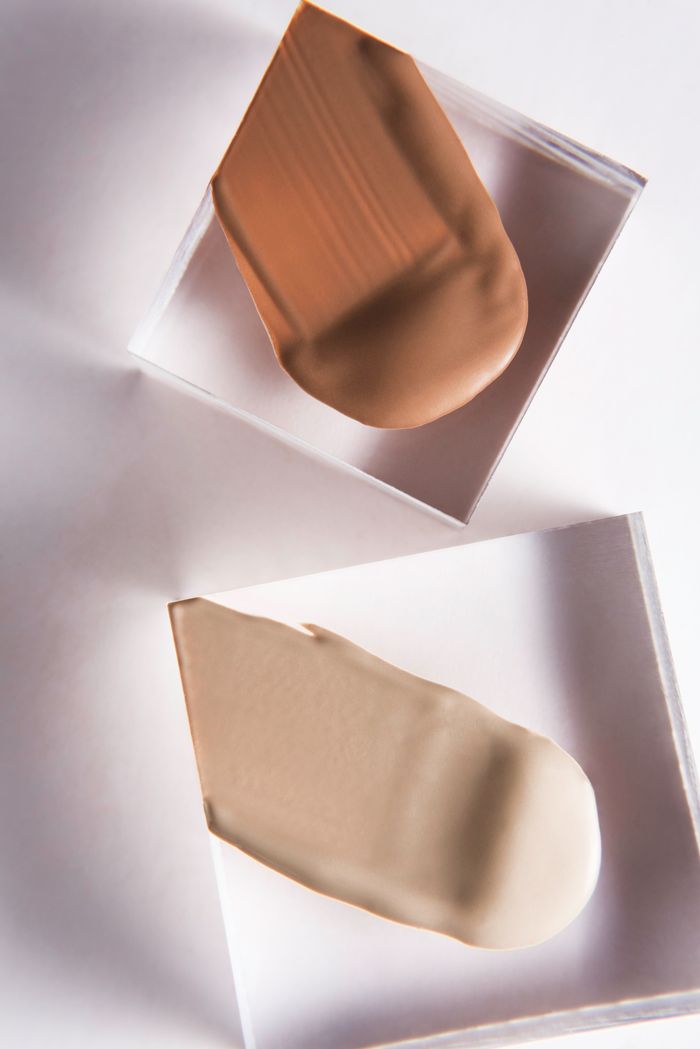
Where a traditional tattoo is designed to be seen, paramedical work is designed to disappear. Flesh-tone pigments soften the appearance of scars and stretch marks, restoring areola pigment after surgery gives back what surgery took, and inkless techniques coax the skin's own collagen into doing the healing.

It sits at the intersection of artistry and clinical care: sterile, single-use equipment, careful skin assessment, and techniques adapted to how your skin heals — including your Fitzpatrick type and undertone.

It's for the mother who wants her body to feel like hers again. The survivor finishing the last chapter of treatment. Anyone ready to look in the mirror and simply see themselves.
Setting the Record Straight

Common misconceptions

“It's just like getting a regular tattoo.”

The truthDifferent tools, different depths, different pigments. Body-art ink is made to be seen; paramedical pigment is formulated to vanish into your natural tone — and inkless techniques use no pigment at all.

“It will look obviously tattooed.”

The truthThe entire goal is invisibility. Healed work blends into the surrounding skin — most people simply see even, natural-looking skin, not ink.

“It doesn't work on deep skin tones.”

The truthWith Fitzpatrick-matched pigments and an artist trained across all six types, every tone can be treated thoughtfully — undertone-matched blends and conservative test areas protect against discoloration.

“It's just vanity.”

The truthRestoring what surgery, illness, or change took from you is the finishing step of healing. Many clients describe it as the moment they finally recognized themselves again.

“Results are instant and permanent.”

The truthSkin needs weeks to heal and settle, and most treatments build gradually over one to three sessions. Results soften naturally over the years — an occasional refresh keeps them true.

“It's going to be painful.”

The truthMost clients describe mild sensation, not pain. Comfort measures and numbing options are part of every appointment — and you set the pace.

It's not vanity. It's coming home to your own skin.

Why It Matters

Why it's helped so many people feel confident again

I

Confidence, restored

After a mastectomy, top surgery, pregnancy, or an accident, the mirror can feel like a stranger. When skin looks like your own again, everything changes — how it feels to get dressed, to swim, to be seen.

II

Privacy & dignity

This is intimate work, and it's treated that way: one artist, one private room, and a pace set entirely by you. Nothing about your story is rushed, shared, or judged.

III

The finishing step of healing

Medical care often ends before you feel whole. Paramedical tattooing is the final chapter — the part that's just for you, when the healing becomes yours to finish.

Reserve Your Appointment

Begin with a conversation

Every journey starts with a complimentary consultation — private, unhurried, and tailored to your skin.

Book & Contact